
Why Central Banks Keep Holding the Line on Rates
For a third straight meeting, the benchmark rate didn't move. We explain what policymakers are watching, and why 'patience' has become the defining word of the cycle.
Markets, monetary policy, trade and the mechanics of the global economy.
For a third straight meeting, the benchmark rate didn't move. We explain what policymakers are watching, and why 'patience' has become the defining word of the cycle.

Container throughput is back to pre-disruption levels. But underneath the headline, the shape of global trade has quietly changed.
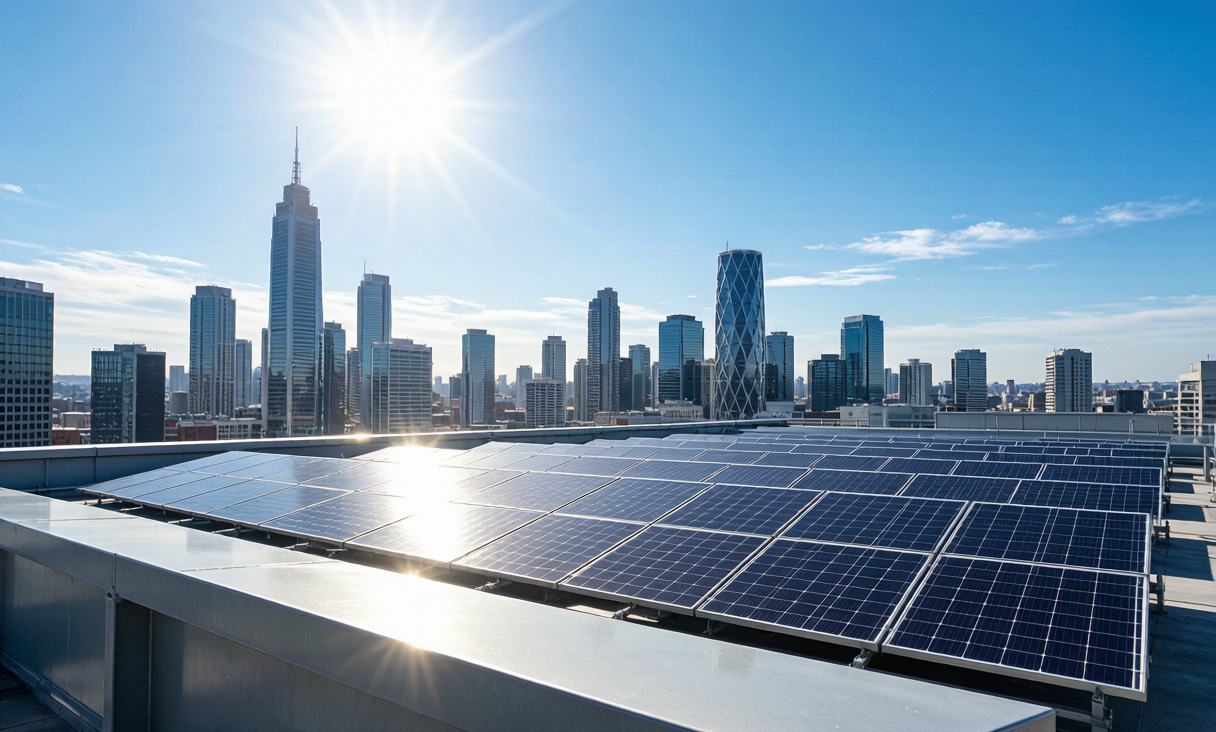
Green bond issuance just hit a record. What are these instruments, who buys them, and do they actually fund the climate transition?
Home prices have defied gravity for years, but 2026's housing market is settling into a new equilibrium defined by locked-in homeowners, tight supply, and hesitant buyers learning to live with higher-for-longer mortgage rates.
After years of regulatory whack-a-mole, 2026 marks the year that cryptocurrency markets finally got a comprehensive rulebook—and the industry is discovering that clarity cuts both ways.
While developed world investors fixate on Fed policy and tech earnings, a quieter story has been unfolding: emerging market equities have been delivering some of the strongest risk-adjusted returns in global finance.
Private credit has grown from a niche corner of alternative investing into a multi-trillion-dollar asset class—and regulators are starting to ask uncomfortable questions about what happens during the next downturn.
Headline inflation has cooled dramatically from its 2022 peak, but a stubborn core of service-sector prices refuses to budge—and the economics behind their persistence reveals uncomfortable truths about modern price-setting.
Against a backdrop of geopolitical turmoil and accelerating energy transition, crude oil prices have been remarkably well-behaved. The story behind that stability reveals deep shifts in how the global oil market actually works.
The term 'currency wars' conjures images of zero-sum battles between nations racing to debase their money. The reality in 2026 is more nuanced, with winners and losers determined as much by domestic fundamentals as exchange rate tactics.
The meme-stock era gave retail investors a reputation for chaos and speculation. But four years on, a more mature, disciplined cohort of individual investors has emerged—and the market will never be the same.
A record volume of corporate debt is coming due in the next three years, and companies that locked in ultra-low rates during the pandemic are facing a reckoning as they refinance at much higher costs.
With inflation proving stickier than central banks hoped, investors are rediscovering inflation-protected bonds. Here's how TIPS and I-Bonds work, how they differ, and which one belongs in your portfolio.
With combined assets exceeding twelve trillion dollars, sovereign wealth funds have become the most powerful force in global capital markets—and their investment decisions increasingly shape everything from startup valuations to energy policy.
The term 'supercycle' has been thrown around loosely since the pandemic recovery began. But a closer look at supply constraints, energy transition demand, and underinvestment suggests the commodity bulls may have a real case this time.